When Should You Repaint Brick Surfaces on Your Home?
Brick adds a classic look to homes around Folsom, but like any exterior surface, painted brick needs regular care to look its best and stay protected. Homeowners often ask how often brick should be repainted, what warning signs to watch for, and how climate can affect the timing. Here’s what you need to know about maintaining your home’s painted brickwork.
How Do I Know When My Painted Brick Needs Repainting?
The most reliable way to tell if it’s time to repaint brick is by looking for visible signs of wear. Watch for paint that’s peeling, flaking, or blistering—these are clear signals that the protective layer has broken down. Fading color or uneven patches also mean the paint is losing its effectiveness. If the brick underneath is showing through, or if you spot powdery, chalky residue on the surface, that’s another red flag. Regularly check around windows, doors, and where water may run down the wall, as these spots often wear out first.
How Long Does Painted Brick Usually Last?
On average, a properly painted brick surface lasts between 7 to 15 years, depending on several factors. The quality of the previous paint job, the prep work, and the type of paint used all play a role. Homes exposed to more sun, rain, or wind may see their brick paint fade or deteriorate sooner. In Folsom, our hot summers and occasional rainstorms can take a toll, especially on south- and west-facing walls. If you’re unsure how long it’s been since the last paint job, inspect the surface each spring and fall for trouble spots.
What Happens If I Wait Too Long to Repaint?
Delaying a repaint can lead to bigger problems. Once paint starts peeling or cracking, moisture can work its way into the brick. Over time, this can cause the brick to weaken or even start to crumble. Mold and mildew can also develop, especially in shaded or damp areas. Addressing peeling paint early helps you avoid more expensive repairs down the road, and keeps your home looking sharp.
Does the Type of Brick or Paint Matter?
Absolutely. Older, softer bricks are more prone to damage if moisture gets in, so keeping them sealed with good paint is especially important. The type of paint used makes a difference too—masonry paints are formulated to breathe, letting moisture escape while still providing protection. If standard house paint was used in the past, it may not hold up as well or could trap moisture behind it, leading to problems. When repainting, always use a paint made for brick and masonry to get the longest life out of the job.
What Should I Do Before Repainting Brick?
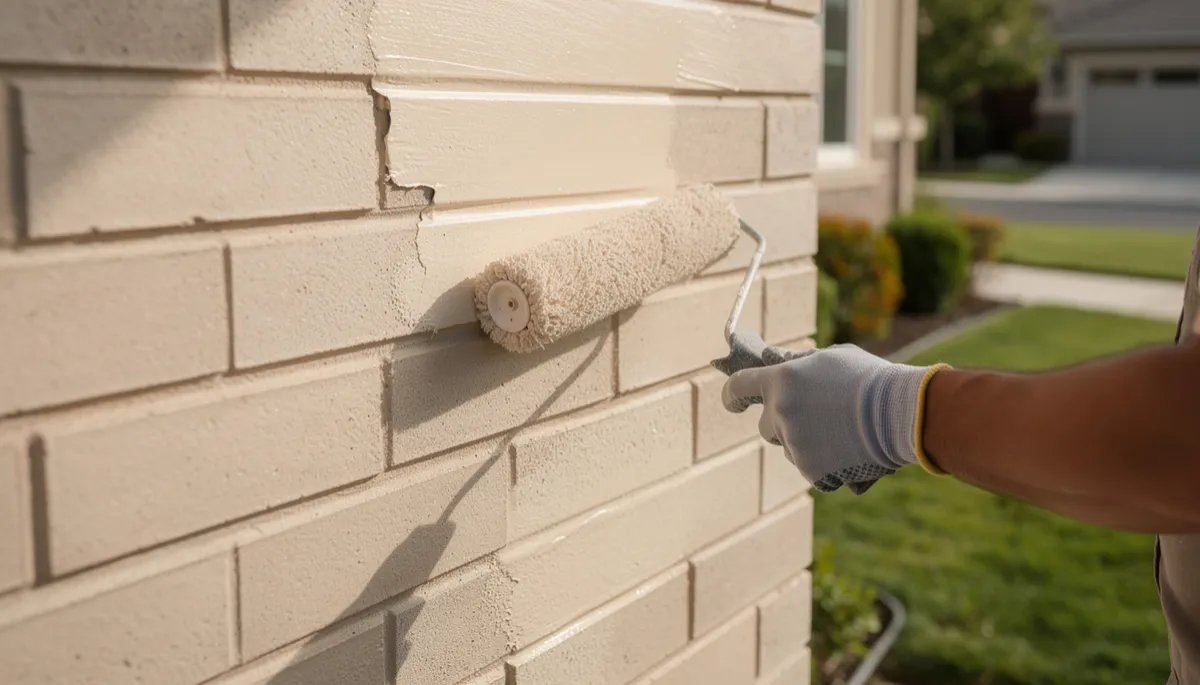
Proper prep is key. Start by power washing the brick to remove dirt, mildew, and any loose paint. Give the surface time to dry—brick holds moisture longer than wood or siding. Scrape away any peeling paint, and repair cracks or damaged mortar. If you see signs of efflorescence (white, powdery deposits), these should be cleaned and addressed since they can indicate moisture issues. Before painting, it’s often helpful to apply a masonry primer to ensure the new paint adheres well and lasts as long as possible.
How Does Weather Affect Painted Brick in Folsom?
Our climate in Folsom means dealing with both intense summer sun and the occasional winter rain. UV rays can fade paint faster, especially on walls that get afternoon sun. Rain and humidity can lead to peeling or mildew if the paint film breaks down. Homes with mature trees nearby may also see more mildew growth on shady or north-facing walls. Checking your brick after each season helps you catch and address any problems early.
Frequently Asked Questions
Can I paint over old, peeling paint on brick?
It’s important to remove any loose or peeling paint before repainting. Painting over damaged paint won’t last and can trap moisture, leading to more problems. Proper prep is essential for a lasting finish.
Is it safe to pressure wash brick before painting?
Yes, but use the right pressure setting—too much force can damage the brick or mortar. Power washing is great for cleaning, but always allow plenty of drying time before painting.
Will painting brick cause long-term damage?
Not if it’s done right. Using the correct masonry paint allows the brick to breathe. Problems arise if the wrong type of paint is used or if moisture gets trapped behind the paint film.
How do I keep my painted brick looking good between repaints?
Regularly rinse or gently wash surfaces to remove dirt and mildew. Keep shrubs and sprinklers away from the walls, and touch up any chips or cracks as soon as you spot them.
If you’re noticing signs that your brick could use a fresh coat or you have questions about the process, reach out to our team at Herb Knecht Painting Inc. We’re always happy to help Folsom homeowners keep their brickwork looking its best.